
How many portable toilets do I need for a construction site?
OSHA 1926.51(c)(1) sets the baseline: one toilet facility for 20 workers or fewer, then one toilet seat and one urinal per 40 workers from 20 up to 200, and one per 50 workers at 200 or more. A small framing crew of six people needs one unit. A 50-person job needs at least two. Learn how many portable toilets you actually need before you call, because the rule hinges on headcount and shift length. If your crew works split shifts or weekends, the math changes. Brandon projects often overlap multiple zones, and each zone counts separately. A standard portable toilet holds 60 to 70 gallons, which handles about 40 uses before pumping becomes necessary under normal use.
What's the difference between a standard unit and a deluxe?
A standard portable toilet is a basic enclosed stall about 44 by 48 inches on the ground and 92 inches tall, with a seat, urinal and holding tank. A deluxe flushable porta-potty has a pedal-flush mechanism, interior lighting, a handwashing station inside, and fresh-water rinse. Deluxe units cost more per day and per week because they require extra service visits. For a short event or a construction trailer parked in Brandon, a standard works fine. For a wedding, a festival, or a site where workers spend eight hours a day on-site, deluxe saves complaints and keeps morale up. Both rent daily, weekly or monthly.
Do I need ADA accessible toilets?
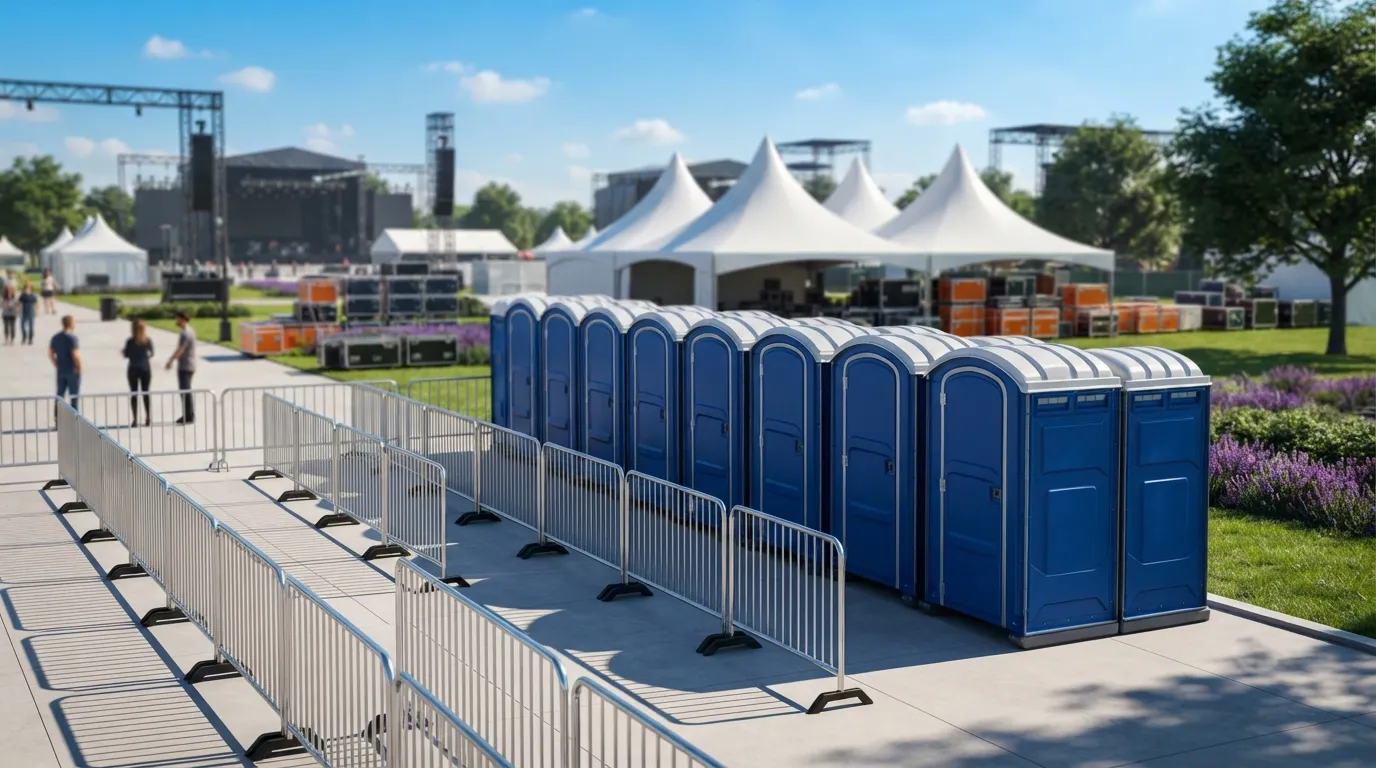
Yes, if your site or event is open to the public or if you have employees with disabilities. An ADA accessible porta-potty meets door width, grab bar and turning-radius standards set by ADA Standards section 213.2, which requires at least one accessible unit in a cluster of five. Brandon venues and construction sites often need them by law. A single accessible unit costs more than a standard because it's larger and heavier to deliver. If your project has more than 20 people and is open to the public, budget for one accessible unit regardless of whether you think you'll use it.
What does it cost to rent a portable toilet?
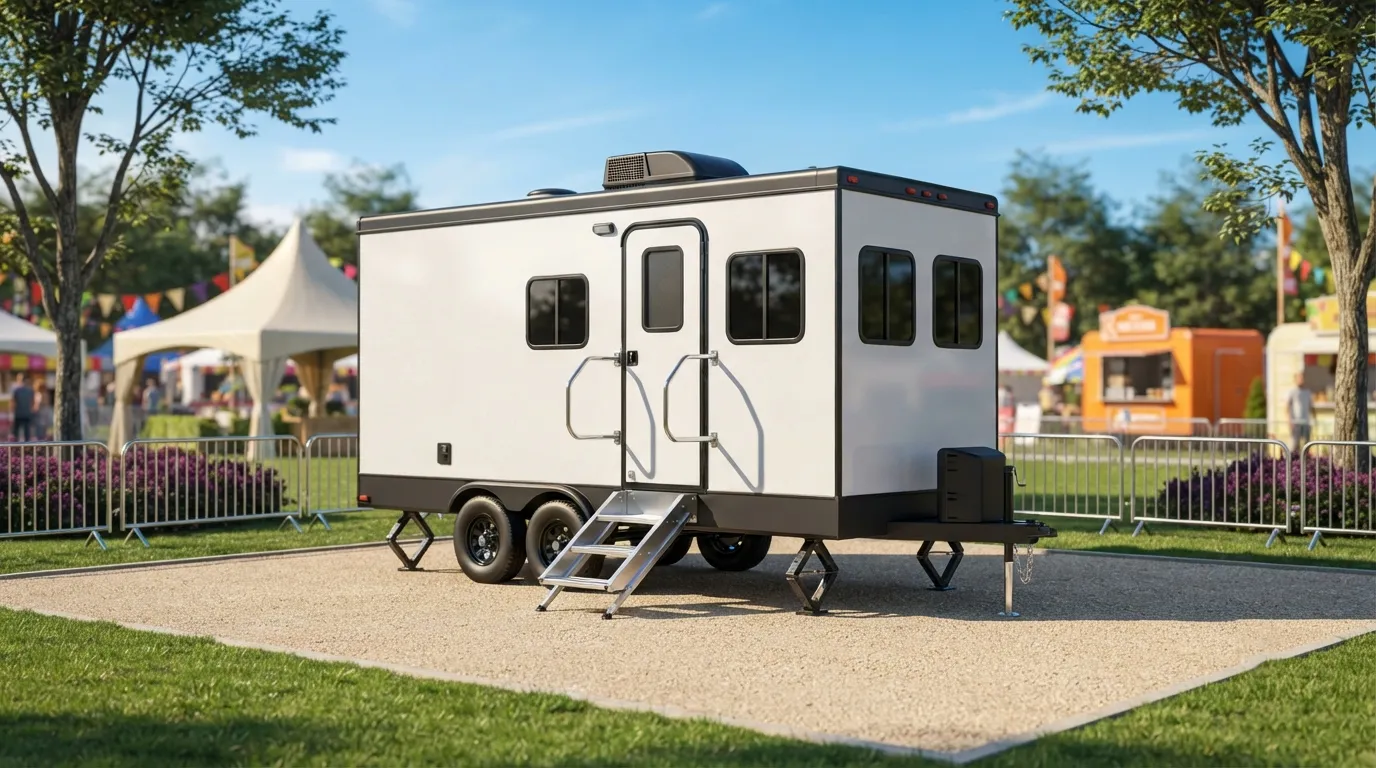
Daily rates for a standard unit run $100 to $350, weekly rates run $130 to $500 and monthly rates run $125 to $325. Delivery and service fees add $50 to $300 per visit depending on distance and timing. An ADA accessible unit costs $200 to $400 daily. See current pricing for a firm quote, because rates vary by season and availability in Brandon. Weekend rentals cost more than weekday ones. A restroom trailer with multiple stalls and flush toilets runs higher but handles large events better than scattered units.
How often do you empty and clean portable toilets?
Brandon Porta Pros pumps and cleans based on your contract, typically weekly for sites with 10 or fewer users working a 40-hour week, per ANSI/PSAI Z4.3, the industry service standard. Higher use or longer hours calls for twice-weekly service. You choose the schedule when you rent. A construction site with 15 workers and a full-time trailer usually needs once-weekly service. An event with 200 people over one day gets a pre-event delivery and a post-event pickup. Call to discuss your specific needs because cleaning frequency drives both the rental cost and your site's health code compliance.
What about handwashing if employees work with paints or coatings?
29 CFR 1910.141(d)(2) requires washing facilities with soap and a towel or hand-drying device, hand sanitizer alone does not satisfy the rule. OSHA 1926.51(f)(1) specifically mandates washing facilities where employees apply paints, coatings, herbicides or insecticides. A portable handwashing station meets that requirement. It holds fresh water and drains into a separate tank that we pump on schedule. For a painting crew in Brandon, a handwashing unit is not optional. Adding one to your portable toilet rental costs less than a compliance violation.
Can I put drywall and insulation in a roll-off dumpster?
Yes. Drywall, insulation, lumber, concrete scraps and roofing material go into a construction dumpster. Paint cans, batteries, tires, refrigerants and asbestos do not. Read what cannot go in a dumpster before you load. A 20-yard dumpster costs $426 to $778 per week and handles a typical kitchen or bathroom renovation in Brandon. A 30-yard or 40-yard dumpster works for larger jobs. You pay by the week, not by weight unless you exceed the truck's legal limit. Check dumpster sizes to pick the right one for your job.
How often should I pump my septic tank?
A residential septic tank pumps every 3 to 5 years, depending on tank size and household size. A 1,000-gallon tank serving a family of four lasts longer than a 750-gallon tank serving the same household. A grease interceptor pumps when fats, oils, grease and solids reach 25 percent of the liquid depth. In Brandon, you'll pump more often in summer if you entertain frequently. Learn the warning signs that a tank needs pumping before you get a backup. Brandon Porta Pros handles routine septic pumping and grease trap pumping for residential and commercial properties.
Next step
Get a delivery date
Tell us the address, the dates and the headcount. We size the order and confirm the route.